Best Practices for Inventory Management in Food Service

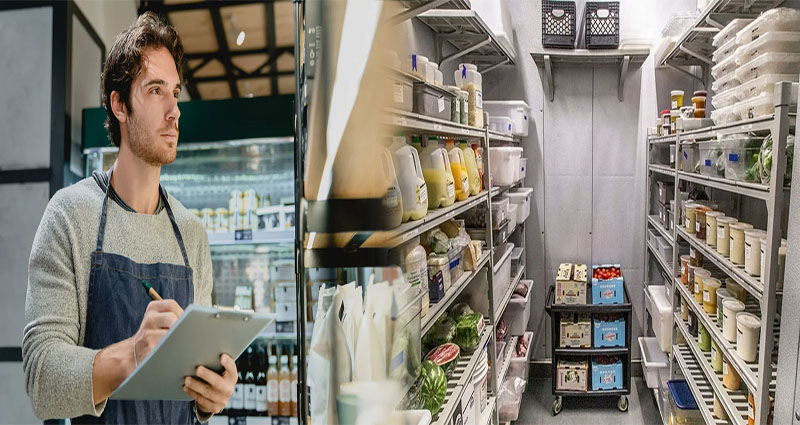
Effective inventory management is crucial for the success of any food service establishment. Proper control and monitoring of inventory can help reduce costs, minimize waste, and ensure that the right ingredients are available when needed. Here are some best practices for inventory management in the food service industry:

1. Establish a Comprehensive Inventory System

Implement a robust inventory system that tracks all incoming and outgoing products accurately. Utilize inventory management software to streamline the process, maintain real-time data, and generate reports for analysis.

2. Set Par Levels and Reorder Points

Determine optimal par levels for each ingredient based on usage patterns and storage capacity. Establish reorder points to automatically trigger the purchase of more inventory when levels drop below a specified threshold, preventing stockouts and overstocking.

3. Conduct Regular Physical Counts

Schedule routine physical inventory counts to verify the accuracy of your inventory records. Conducting regular audits can help identify … READ MORE ...


Guide on How to Create a Budget for Your Culinary Startup

Starting a culinary business can be an exciting and fulfilling venture, but it’s essential to be mindful of your budget to ensure long-term success. Creating a budget for your culinary startup is crucial for managing your expenses, tracking your revenue, and making informed financial decisions. Here’s a helpful guide on how to create a budget for your culinary startup:

1. List Your Business Expenses

Start by listing all potential expenses related to starting and operating your culinary business. This can include equipment, ingredients, permits, licenses, rent, marketing, utilities, and employee salaries. Be thorough in your list to ensure you don’t overlook any costs.

2. Determine Your Revenue Streams

Consider how your culinary business will generate revenue. Will it be through selling food products, catering services, hosting events, or offering cooking classes? Estimate your potential revenue streams to understand how much income you can expect.

3. Set Realistic Financial Goals

Establish … READ MORE ...

Effective Strategies for Managing a Successful Restaurant Business

Running a restaurant business can be a rewarding yet challenging endeavor. To ensure the success and longevity of your restaurant, it is crucial to implement effective strategies that can help you navigate the competitive landscape of the food industry. Here are some key strategies to consider for managing a successful restaurant business:

1. Focus on Quality and Consistency

One of the most important factors in the success of a restaurant is the quality of the food and service. Ensure that your menu offerings are of high quality and consistently meet customer expectations. Train your staff to deliver exceptional service consistently to create a positive dining experience for your customers.

2. Embrace Technology

In today’s digital age, incorporating technology into your restaurant operations can streamline processes and enhance customer experience. Utilize online reservation systems, mobile ordering apps, and POS systems to improve efficiency and customer convenience. Additionally, leverage social media and … READ MORE ...

Unveiling the Potent Power of Konjac Flour: A Culinary Gem with Profound Health Benefits

Konjac flour, derived from the roots of the Amorphophallus konjac plant, is a relatively lesser-known but incredibly versatile ingredient that has been gaining attention for its remarkable culinary applications and profound health benefits. This unique flour, also known as glucomannan powder, boasts an array of properties that have piqued the interest of both chefs and health enthusiasts alike.

In the realm of culinary applications, konjac flour serves as a valuable thickening and binding agent due to its high viscosity and water-absorbing capacity. Its unique gel-forming ability makes it an excellent substitute for traditional starches or gluten-containing flours in various recipes.

Moreover, its neutral taste and ability to absorb flavors make it a versatile addition to both sweet and savory dishes. From thickening soups and sauces to creating gluten-free pasta and noodles, konjac glucomannan showcases its adaptability in diverse culinary creations.

However, beyond its culinary prowess, the true allure of konjacREAD MORE ...

What is Culinary Techniques?

Broiling

Broiling is a great way to cook a variety of different foods. The intense heat of a broiler is perfect for a variety of meats, poultry, and fish. However, broiling can be messy, so use the proper precautions. Avoid using heavy marinades or other oils, as these can cause fire and smoke. Instead, try using fresh herbs to pack flavor without the added calories.

Baking

Baking is a cooking method that involves preparing foods using dry heat. It can be performed in an oven, or on hot stones or ashes. The most common baked item is bread, but there are many other options available. The method transfers heat from the surface of the food to the center of the food.

Sautéing

Sautéing is a cooking technique in which you use a small amount of oil in a shallow pan and relatively high heat. The cooking process can be very … READ MORE ...