
Beyond the Floor Plan: How Singapore Homebuyers Can Evaluate Neighbourhood Liveability Before Buying Property
Introduction: Why the Neighbourhood Matters as Much as the Home
Buying a residential property in Singapore involves more than comparing floor areas, interior finishes, and asking prices. A home is also a gateway to the surrounding neighbourhood, shaping everyday routines, commuting patterns, access to essential services, and opportunities for recreation. While an attractive apartment may capture a buyer’s attention during a viewing, the surrounding environment often determines how comfortable that property feels over the long term.
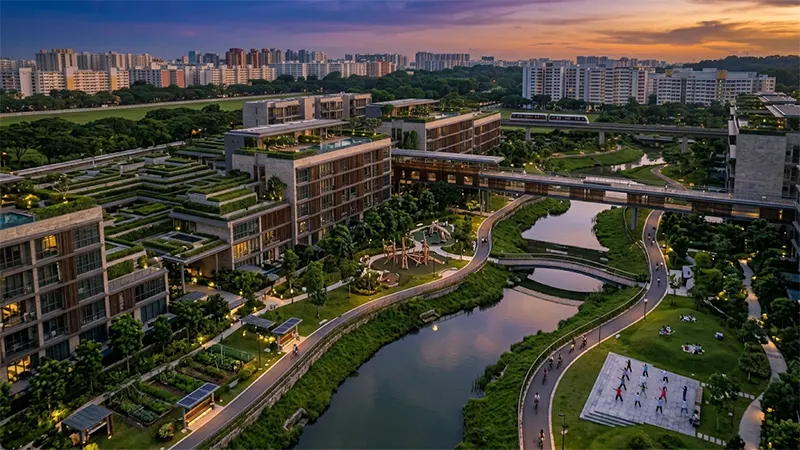
Neighbourhood liveability has become an important consideration for buyers balancing professional commitments, family responsibilities, and personal wellbeing. Factors such as pedestrian connectivity, nearby amenities, traffic conditions, green spaces, and future development plans can influence the practical experience of living in a particular location.
For anyone exploring Singapore property, understanding these factors provides a more complete foundation for making informed decisions. Instead of asking only whether a property looks appealing, prospective homeowners should consider how … READ MORE ...