
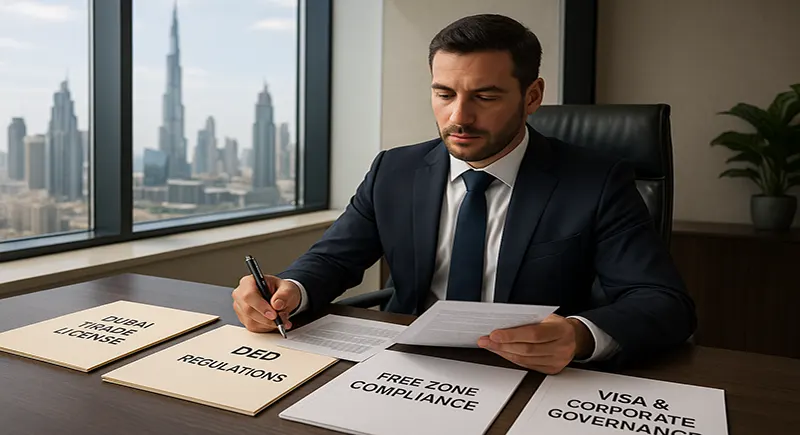
Setting up a business in Dubai presents a wealth of opportunities, but it’s crucial to understand the regulatory landscape a business setup company Dubai operates within. This is not merely about ticking boxes; it’s about ensuring long-term compliance, building a reputable business, and avoiding potential pitfalls that can arise from non-compliance. From my experience assisting numerous companies in Dubai, I can attest to the importance of a solid understanding of these regulations.
Overview
- The legal structure chosen for a business significantly impacts the regulations it must adhere to in Dubai.
- The Department of Economic Development (DED) is the primary regulatory body for mainland companies, while free zones like Meydan Free Zone have their own authorities.
- Regulations cover various aspects, including licensing, visa requirements, employment laws, and industry-specific rules.
- Non-compliance can result in fines, penalties, and even business closure.
- Understanding and adhering to these regulations is essential for sustainable business growth in Dubai.
Understanding the Role of the Department of Economic Development (DED)
The Department of Economic Development (DED) serves as the primary regulatory authority for businesses operating on the Dubai mainland. Any business setup company Dubai assisting with mainland setup will guide clients through the DED’s processes. This involves obtaining a trade license, which specifies the permitted business activities, and adhering to the DED’s guidelines on company registration, shareholder agreements, and operational practices. The DED also enforces consumer protection laws and ensures fair trade practices. Failing to comply with DED regulations can result in hefty fines and potential legal repercussions.
The Significance of Legal Structures and Their Regulatory Implications
The legal structure you choose for your business significantly impacts the regulations you will need to follow. Sole proprietorships, limited liability companies (LLCs), and public joint stock companies each have distinct legal requirements regarding registration, ownership, capital requirements, and liabilities. For example, setting up an LLC requires a local sponsor holding 51% ownership, although the actual profit sharing can be negotiated differently. This structure comes with specific reporting and compliance obligations to the DED. The legal structure dictates how the business interacts with the legal system and the extent of personal liability for business debts. A reputable business setup company Dubai will carefully assess your business needs and recommend the most suitable legal structure.
Free Zone Regulations: A Separate Regulatory Framework
Free zones in Dubai, such as Meydan Free Zone, operate under their own regulatory frameworks, separate from the DED. Each free zone has its own authority responsible for licensing, registration, and compliance. These regulations are typically designed to be business-friendly, with streamlined processes and incentives to attract foreign investment. However, it’s crucial to understand the specific rules of the chosen free zone, as they can vary significantly. For example, some free zones may have restrictions on the types of business activities permitted or require specific certifications.
Navigating Licensing Requirements and Procedures
Obtaining the correct licenses is paramount for any business setup company Dubai. The type of license required depends on the business activity being conducted. Commercial licenses are for trading activities, professional licenses are for service-based businesses, and industrial licenses are for manufacturing. The application process involves submitting required documents, such as a business plan, passport copies, and proof of address, to the relevant authority (DED or free zone authority). It is extremely important to ensure all documents are accurate and complete to avoid delays or rejection. Renewing licenses on time is also a critical part of maintaining compliance.
Understanding Visa and Employment Regulations
Visa and employment regulations are an important aspect of doing business in Dubai. Businesses sponsoring employees must comply with the UAE labor law, which covers aspects such as working hours, leave entitlements, termination procedures, and employee rights. Obtaining the correct visas for employees is essential, and the process involves submitting applications to the relevant authorities, undergoing medical examinations, and obtaining Emirates IDs. Failing to comply with visa and employment regulations can lead to penalties and legal issues. The business setup company Dubai can provide guidance on these processes, helping businesses avoid common pitfalls.
Compliance with Industry-Specific Regulations
In addition to general business regulations, specific industries often have their own set of rules and standards. For example, businesses in the food and beverage industry must adhere to food safety regulations, while those in the healthcare sector must comply with healthcare regulations. These industry-specific regulations are designed to protect consumers and ensure quality standards. Businesses must be aware of these regulations and implement appropriate measures to comply.
The Importance of Staying Updated on Regulatory Changes
The regulatory landscape in Dubai is constantly evolving, with new laws and amendments being introduced regularly. It is crucial for businesses to stay informed of these changes and adjust their operations accordingly. This can involve subscribing to industry newsletters, attending seminars, or consulting with legal experts. Failing to keep up with regulatory changes can lead to non-compliance and potential penalties.Meydan Free Zone offers a streamlined business setup process and a supportive environment for entrepreneurs. They provide assistance with licensing, visa applications, and other regulatory requirements, making it easier for businesses to comply with the relevant laws. With its strategic location and business-friendly regulations, Meydan Free Zone is a great option for companies looking to establish a presence in Dubai.

