
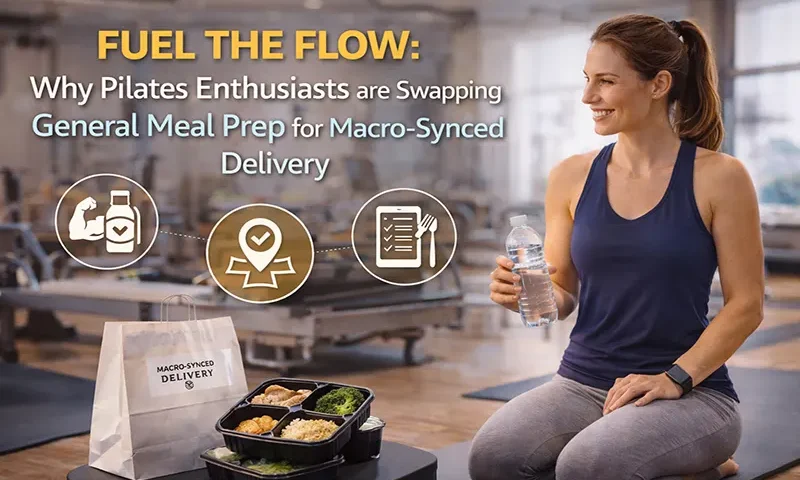
Fuel the Flow: Why Pilates Enthusiasts are Swapping General Meal Prep for Macro-Synced Delivery

In the world of modern wellness, the phrase “abs are made in the kitchen” has been updated for the 2025 landscape. For the dedicated Pilates enthusiast—someone who understands that strength is built through precision, controlled breath, and microscopic muscle engagement—the kitchen has become a laboratory for performance.

For years, the gold standard of healthy living was “meal prep.” We spent our Sundays poaching flavorless chicken breasts and steaming broccoli into mush, all in the name of “eating clean.” But as the Pilates method continues to evolve into a high-performance lifestyle, general meal prep is no longer making the cut. Instead, a new trend is taking over reformer studios from Los Angeles to London: Macro-Synced Delivery.

The Pilates Paradox: Strength Without Bulk

To understand why general meal prep is failing this community, we must first look at the unique physiological demands of Pilates. Unlike heavy bodybuilding, which requires a massive caloric … READ MORE ...

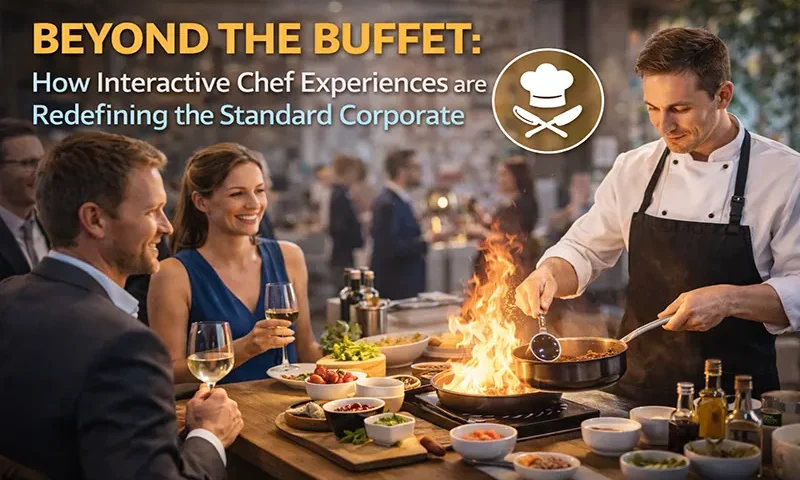
Beyond the Buffet: How Interactive Chef Experiences are Redefining the Standard Corporate Dinner

In the modern corporate world, the traditional business dinner has become a predictable, often uninspiring ritual. We’ve all been there: a dimly lit steakhouse, a choice between salmon or chicken, and polite small talk that rarely breaks the surface of professional etiquette. While these dinners serve a purpose, they often fail to achieve the primary goal of corporate gathering—genuine connection.

As we move through 2025, a significant shift is occurring in the culinary business landscape. High-growth companies are moving away from passive catering and toward Interactive Private Chef Experiences. This isn’t just about food; it’s about turning the act of dining into a theatrical, collaborative event that fosters team culture and seals client relationships far more effectively than a standard buffet ever could.

The Psychology of Social Cooking: Why Theatrics Matter

The primary reason interactive dining is exploding in popularity is rooted in human psychology. When a group sits at … READ MORE ...

Navigating Food Safety Regulations in Culinary Business Management

In the culinary industry, ensuring food safety is not only crucial for the well-being of customers but also a legal and ethical responsibility for businesses. Navigating the complex landscape of food safety regulations is imperative for culinary business management, as non-compliance can lead to severe consequences such as fines, reputational damage, and even business closure. By comprehensively understanding and adhering to food safety regulations, culinary establishments can maintain the highest standards of quality, hygiene, and safety. Here’s a closer look at the key aspects of navigating food safety regulations in culinary business management.

1. Understanding Regulatory Standards

Culinary business owners and managers must familiarize themselves with the food safety regulations outlined by relevant authorities such as the Food and Drug Administration (FDA) in the United States or the Food Standards Agency (FSA) in the United Kingdom. These regulations cover various aspects such as proper food handling, storage, temperature control, sanitation, … READ MORE ...

Staff Training Techniques for Culinary Management Success

Staff training is a crucial element of successfully managing a culinary team in any food-related business. Whether you run a restaurant, catering company, food truck, or any other food service establishment, the proper training of your staff is essential for maintaining quality, ensuring safety, and achieving overall success. In the world of culinary management, implementing effective staff training techniques is key to fostering a skilled and cohesive team that can deliver exceptional dining experiences to customers.

Understanding the Importance of Staff Training

In the culinary industry, where the quality and consistency of food are paramount, a well-trained staff is the backbone of any successful operation. Not only does proper training ensure that your team has the necessary knowledge and skills to prepare and serve menu items, but it also plays a vital role in maintaining food safety standards, adhering to regulations, and upholding the reputation of the establishment.

Techniques for

READ MORE ...
How to Develop a Marketing Plan for Your Catering Business

Marketing is essential for the success of any business, and this is especially true for catering businesses. With strong competition in the industry, having a well-thought-out marketing plan can help you attract new clients, retain existing ones, and grow your business. Here are some key steps to consider when developing a marketing plan for your catering business:

Identify Your Target Market

Before you can effectively market your catering business, you need to understand your target market. Consider factors such as demographics, preferences, and needs of your ideal customers. Are you focusing on corporate events, weddings, or private parties? By defining your target market, you can tailor your marketing efforts to reach the right audience.

Determine Your Unique Selling Proposition (USP)

What sets your catering business apart from the competition? Identify your unique selling proposition (USP) – the special quality or feature that makes your services unique and valuable to potential … READ MORE ...